Malaysia is experiencing a rapid transformation in how people pay for goods and services. The days of relying solely on cash are fading as more Malaysians embrace digital payment options. From mobile wallets and QR codes to online banking and contactless cards, cashless payments are becoming the norm rather than the exception. This shift is not only changing consumer habits but also redefining how businesses operate in Malaysia.
Among the players leading this transformation is CHIP, a local digital finance platform designed to help businesses accept payments, manage finances, and thrive in the cashless era. This article explores the cashless payment trends in Malaysia, how they impact businesses and consumers, and why CHIP has become a crucial partner for companies looking to adapt and grow.
The Rise of Cashless Payments in Malaysia
Several factors have contributed to the widespread adoption of cashless payments in Malaysia. The combination of technological advancements, changing consumer behaviour, and government support has created a favourable environment for digital payment systems.
Mobile Connectivity and Digital Access
Smartphone penetration in Malaysia has grown rapidly over the past decade, with the majority of the population owning a device capable of handling online transactions. Mobile internet access has also become more reliable and affordable, enabling Malaysians to perform digital transactions anywhere, anytime. With a smartphone in hand, consumers can now pay bills, shop online, transfer money, or scan QR codes at stores, all without touching physical cash.
This easy access to mobile technology has played a pivotal role in driving cashless payment adoption. Consumers, especially younger generations, now prefer convenience and speed over traditional cash transactions.
Changing Consumer Habits
The shift toward cashless payments is also driven by changing consumer preferences. Malaysians increasingly expect retailers to offer multiple digital payment options. Small purchases, dining out, shopping at convenience stores, and even paying for public transportation can now be completed without cash.
Digital payment methods like mobile wallets, QR codes, and contactless cards are now part of daily life. Customers are motivated by the convenience, speed, and security these payment methods provide. As a result, businesses that do not offer digital payment options risk losing potential customers to competitors who do.
Merchant Adoption and Awareness
While consumer demand is crucial, the willingness of merchants to adopt cashless solutions has accelerated the shift. Businesses across various sectors, from retail and food and beverage to services and e-commerce, are embracing digital payment options. This adoption reduces the need for cash handling, lowers the risk of theft, and simplifies accounting processes.
Modern merchants are recognizing that cashless payments are not just a trend—they are a necessity for business growth. By offering multiple payment options, businesses can meet customer expectations, attract a broader audience, and improve operational efficiency.
Key Cashless Payment Trends in Malaysia
Malaysia’s cashless payment landscape is shaped by several key trends that businesses and consumers need to understand.
QR Code Payments
QR code payments have become one of the most popular methods for everyday transactions. Consumers can scan a merchant’s QR code using a mobile app to pay instantly. This method is widely adopted for small businesses, food vendors, and retail shops because it is easy to implement and does not require expensive hardware.
The rise of QR payments has also encouraged more businesses to adopt digital solutions. For customers, it offers a seamless and secure payment experience.
E-Wallet Usage
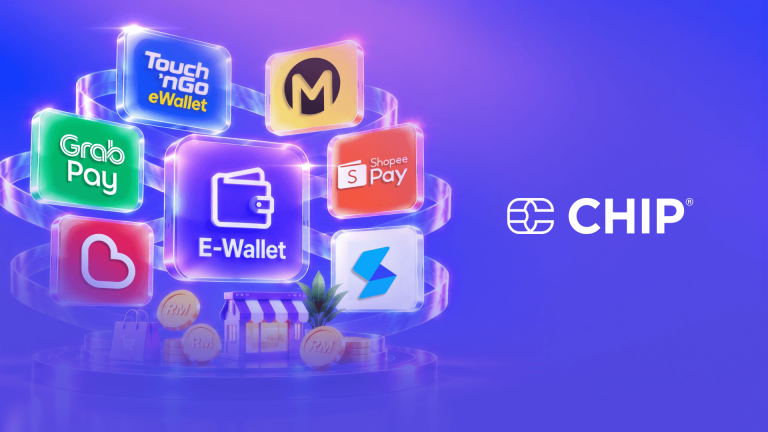
Digital wallets have seen significant growth in Malaysia. Consumers use e-wallets to pay for groceries, transportation, online shopping, bills, and even healthcare services. Mobile wallets combine convenience with added security features, such as password protection and two-factor authentication, making them attractive alternatives to cash.
The popularity of e-wallets is also fuelled by promotions, cashback rewards, and loyalty programs offered by wallet providers. These incentives encourage repeated usage and increase the overall adoption of cashless payments.
Contactless Card Payments
Contactless cards have become a common payment method in Malaysia. Many consumers prefer tapping their debit or credit cards over swiping or inserting them at a terminal. Contactless payments are faster, reduce queues, and are perceived as more hygienic, especially in post-pandemic settings.
For businesses, contactless payments simplify operations and increase customer satisfaction. They allow faster checkout and reduce the risk of human error associated with handling cash.
Cross-Border Payments
With Malaysia being a regional hub for tourism and commerce, cross-border cashless payments have also become more prevalent. Tourists and international customers can now use mobile wallets and QR payments from other countries, making it easier for businesses to serve a wider audience.
This trend has opened new opportunities for small and medium-sized enterprises (SMEs) in Malaysia, allowing them to cater to both domestic and international customers without the need for complex foreign currency systems.
Integrated Digital Payment Systems
The development of digital payment infrastructure has played a critical role in promoting cashless transactions. Interoperable systems that allow payments to flow seamlessly across banks, wallets, and merchants have made it easier for consumers to choose digital methods. For businesses, integrated payment platforms help manage transactions efficiently, reduce operational costs, and provide real-time insights into financial performance.
How Cashless Payments Benefit Businesses
Adopting cashless payment methods offers several advantages for businesses in Malaysia.
Improved Customer Experience
Modern consumers expect businesses to provide convenient, fast, and secure payment options. Offering multiple digital payment methods helps reduce cart abandonment, attract new customers, and improve overall satisfaction. Businesses that fail to adapt risk losing customers to competitors who offer seamless cashless options.
Faster Cash Flow
Digital payments enable faster settlement compared to traditional cash handling. Businesses can access funds more quickly, improving cash flow management. Real-time transaction tracking also helps businesses monitor sales and plan expenses more effectively.
Expanded Market Reach
Cashless payments allow businesses to reach a broader audience, including customers who prefer digital transactions or international clients. By accepting multiple payment options, companies can expand their customer base without additional infrastructure or complex setups.
Data-Driven Insights
Digital payment systems provide valuable data on customer behaviour, transaction patterns, and sales trends. Businesses can use these insights to optimize operations, design marketing strategies, and improve decision-making processes.
CHIP: Transforming Cashless Payments in Malaysia
Among the digital payment solutions available in Malaysia, CHIP stands out as a comprehensive platform that enables businesses to thrive in the cashless era.
What is CHIP?
CHIP is a local digital finance platform designed to help Malaysian businesses accept payments, manage finances, and scale operations efficiently. Unlike traditional payment gateways, CHIP offers a full suite of tools that extend beyond payment collection.
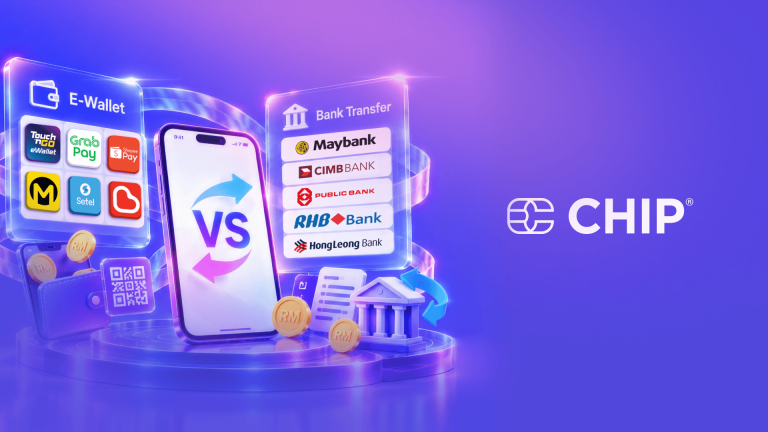
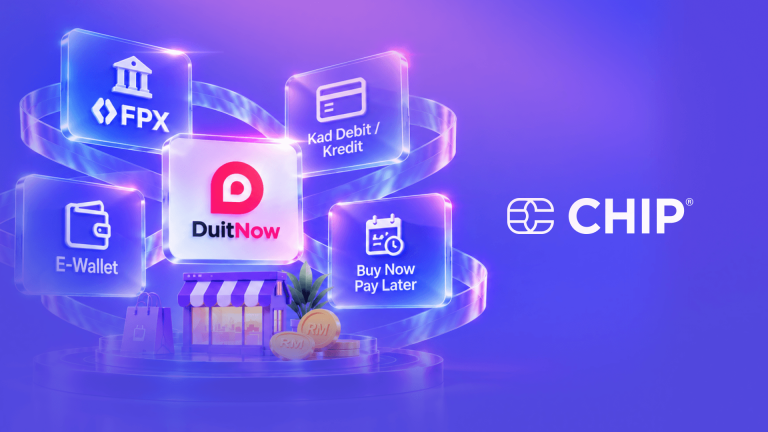
The platform allows businesses to accept multiple payment methods, including online banking, debit and credit cards, e-wallets, and QR payments. It also provides tools for managing expenses, processing pay-outs, and monitoring financial performance.
Multi-Channel Payment Acceptance
CHIP ensures businesses can meet customer expectations by supporting a wide range of payment options:
- Online banking transfers
- Debit and credit cards
- E-wallets and QR payments
- Buy Now, Pay Later solutions
- Cross-border payment options
This versatility ensures businesses can cater to local and international customers while providing a seamless checkout experience.
Security and Compliance
Security is a critical concern in cashless payments, and CHIP places a strong emphasis on protecting both businesses and customers. The platform follows industry-standard security protocols and uses robust encryption to safeguard sensitive financial data. Merchants can accept payments confidently, knowing that their transactions are secure.
Beyond Payments: Financial Management Tools
CHIP is more than just a payment gateway. Its platform includes tools that help businesses manage their finances effectively:
- Real-time pay-out systems for salaries, commissions, and vendor payments
- Expense tracking and treasury management
- Customizable dashboards for monitoring financial health
- Speedy settlements and sales advances to boost cash flow
These features allow businesses to operate efficiently, reduce administrative burden, and focus on growth.
Easy Integration and Scalability
CHIP provides flexible integration options for businesses. Whether through API integration, e-commerce plugins, or simple payment links, businesses of all sizes can adopt the platform quickly. This scalability makes CHIP suitable for small start-ups as well as growing enterprises.
Cost-Effective Solution
CHIP offers competitive pricing with minimal upfront costs. There are no setup fees or monthly charges, allowing businesses to pay only for the transactions they process. This approach is particularly beneficial for small and medium-sized businesses that need affordable cashless payment solutions.
The Future of Cashless Payments in Malaysia
The adoption of cashless payments in Malaysia is expected to continue growing in the coming years. As consumers and businesses become more accustomed to digital transactions, platforms like CHIP will play a critical role in enabling a seamless and secure cashless ecosystem.
Businesses that embrace cashless solutions can expect to see increased efficiency, better customer experiences, and access to a broader market. For Malaysian consumers, the convenience and security of digital payments will continue to enhance everyday transactions.
CHIP is positioned at the centre of this transformation, offering businesses the tools they need to accept payments, manage finances, and stay competitive in a rapidly evolving digital landscape. By adopting platforms like CHIP, businesses can not only keep up with current trends but also prepare for the future of commerce in Malaysia.
Conclusion
Malaysia is moving swiftly toward a cashless society, driven by consumer demand, technological advancements, and a supportive digital payment infrastructure. QR codes, mobile wallets, contactless cards, and online banking are now part of daily life, and businesses must adapt to meet these expectations.
CHIP offers a comprehensive solution for businesses looking to embrace the cashless payment trend. With support for multiple payment methods, secure and compliant infrastructure, financial management tools, and flexible integration options, CHIP empowers Malaysian businesses to thrive in the digital era.
For businesses that want to improve efficiency, expand their market, and deliver a seamless payment experience, adopting a platform like CHIP is no longer optional, it is essential. The future of commerce in Malaysia is digital, and cashless payments are at the heart of this transformation.
By leveraging CHIP, businesses can ensure they are ready for the evolving landscape and fully capitalize on the opportunities presented by Malaysia’s shift to a cashless economy.