In Malaysia’s rapidly evolving digital economy, businesses of all sizes are embracing cashless payments. From online shops and home-based businesses to restaurants and service providers, the ability to accept digital payments is a necessity. However, understanding payment gateway fees is crucial for businesses aiming to maximize profits while offering customers seamless payment experiences.
Payment gateways are the platforms that enable digital transactions, but they are not free. Fees can vary widely depending on the provider, transaction type, and payment method. For Malaysian businesses, CHIP has emerged as a popular solution, offering competitive, transparent fees while providing a reliable, secure platform for digital payments.
In this article, we break down the most common payment gateway fees which is MDR (Merchant Discount Rate), setup fees, and hidden costs and explain how CHIP helps businesses manage these costs effectively.
Understanding Payment Gateway Fees
Payment gateway fees are the charges businesses pay to process digital payments. These fees can impact profitability, especially for small or home-based businesses. Common types of fees include:
- MDR (Merchant Discount Rate)
- Setup Fees
- Transaction Fees
- Monthly or Annual Maintenance Fees
- Hidden Costs
1. MDR (Merchant Discount Rate)
The Merchant Discount Rate, or MDR, is the percentage fee charged on each transaction processed through a payment gateway. This fee is deducted from the total amount before the business receives the funds. MDR usually ranges between 1% and 3% in Malaysia, depending on the payment method (cards, online banking, e-wallets) and the provider.
For example, if a customer pays RM100 using a digital wallet and the MDR is 1.5%, the business will receive RM98.50.
MDR is a standard fee in the payments industry and compensates payment gateways for processing, securing, and settling transactions. While some providers may offer lower MDR rates, they might include other fees that increase the overall cost.
2. Setup Fees
Some payment gateways require businesses to pay an initial setup fee to integrate the payment system into their online store or platform. Setup fees can cover technical integration, account verification, and onboarding support.
For small businesses or start-ups, setup fees can be a barrier. Some providers charge hundreds of ringgits upfront, which may discourage entrepreneurs from adopting digital payments.
CHIP, however, is designed with Malaysian businesses in mind and often eliminates upfront setup fees, allowing home-based entrepreneurs, small businesses, and SMEs to start accepting payments without heavy initial costs. This approach makes digital payments more accessible and reduces financial pressure on new business owners.
3. Transaction Fees
In addition to MDR, some payment gateways charge transaction fees for each processed payment. These fees may be fixed per transaction or vary depending on the payment type. For example, credit card transactions may carry higher fixed fees than FPX or e-wallet payments.
CHIP streamlines this by offering transparent, per-transaction pricing without hidden monthly or annual charges, helping businesses forecast costs accurately. Businesses only pay for what they process, making it easier to manage budgets and maintain profitability.
4. Monthly or Annual Maintenance Fees
Many traditional payment gateways impose ongoing monthly or annual fees for account maintenance, technical support, or access to certain features. While these fees may cover advanced reporting or analytics, they can add up for smaller businesses with lower transaction volumes.
CHIP removes this obstacle by providing a cost-effective model where businesses are not required to pay recurring maintenance fees. This makes it particularly attractive to small-scale and home-based businesses in Malaysia.
5. Hidden Costs
Hidden costs in payment gateways can include additional fees for chargebacks, refunds, cross-border payments, currency conversion, or early termination of services. These costs can significantly reduce net revenue if not anticipated.
CHIP focuses on transparent pricing, ensuring businesses know exactly what they will pay. Refunds, reversals, and additional services are clearly defined in their fee structure, allowing businesses to plan without unexpected surprises.
How CHIP Simplifies Fees for Malaysian Businesses
CHIP’s fee structure is designed to simplify digital payments while reducing the cost burden for businesses. Here’s how:
1. Zero Setup Fee
Unlike some providers, CHIP does not charge businesses to start using their payment platform. There are no technical integration fees, no account setup charges, and no initial barriers. Businesses can start accepting payments immediately, making it ideal for start-ups and home-based businesses.
2. Transparent MDR
CHIP charges a competitive MDR rate per transaction. The rate varies slightly depending on the payment method, but the pricing is clearly communicated upfront. Businesses know exactly how much they will pay per transaction, eliminating confusion and the risk of unexpected deductions.
3. No Monthly or Annual Fees
There are no recurring maintenance or subscription fees with CHIP. Businesses only pay for transactions processed, which is ideal for those with fluctuating sales volumes. This cost-effective approach allows smaller businesses to scale without worrying about ongoing overheads.
4. Clear Refund and Chargeback Policies
Refunds and chargebacks are handled efficiently. CHIP provides clear policies on how refunds are processed and any associated fees, reducing administrative headaches for business owners.
5. Multiple Payment Methods in One Platform
CHIP payment links support a variety of payment methods, including:
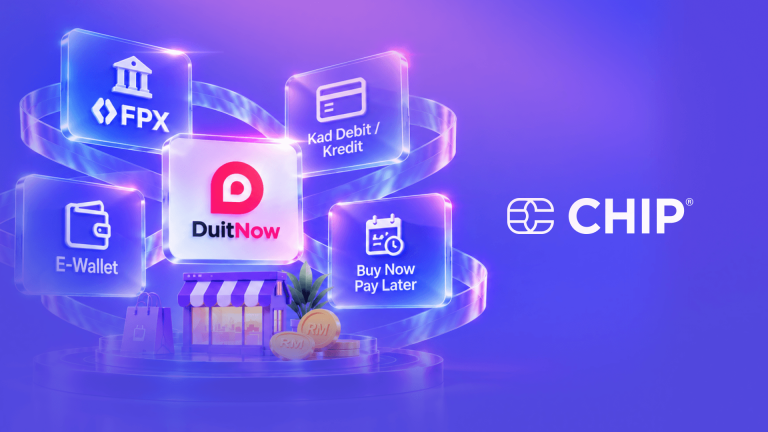
- FPX online banking
- Debit and credit cards
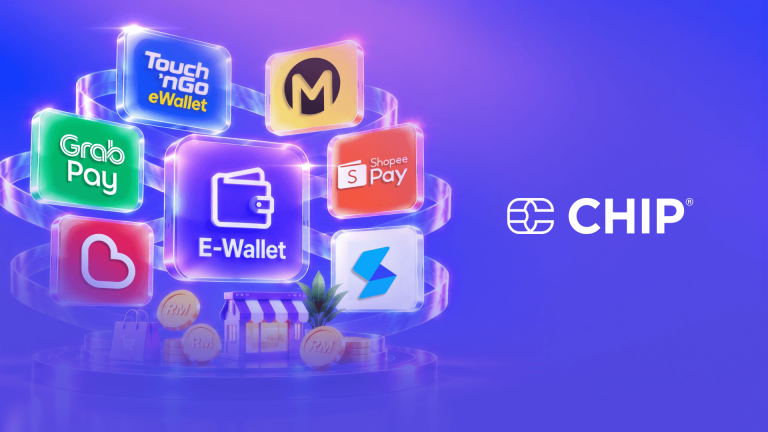
- E-wallets (Touch ’n Go, Grab Pay, Shopee Pay)
- QR payments
Having multiple methods consolidated in a single platform reduces the need for multiple accounts and associated fees, simplifying operations for businesses.
Understanding MDR and Its Impact on Profitability
While MDR is standard, understanding its impact is key to managing costs.
Example Scenario
Imagine a small home-based business selling handmade crafts:
- Monthly sales: RM10,000
- Average MDR: 1.5%
- Setup fee: RM0 (with CHIP)
- Monthly fee: RM0
Cost Calculation:
MDR = RM10,000 × 1.5% = RM150
Total revenue after payment fees = RM10,000 – RM150 = RM9,850
In this scenario, using CHIP’s transparent pricing ensures the business knows the exact cost of accepting digital payments. There are no hidden charges, no setup fees, and no monthly maintenance fees, making it easier to plan budgets and forecast profits.
Why Transparent Fees Matter
Hidden fees and unclear pricing can quickly erode profits, especially for small businesses or startups. Many traditional payment gateways advertise low MDR rates but include hidden costs such as:
- Chargeback fees
- Refund processing fees
- Cross-border payment fees
- Currency conversion charges
These costs can add up and reduce net revenue significantly. By contrast, CHIP focuses on full transparency, allowing businesses to understand and manage payment-related costs clearly. This transparency builds trust and helps businesses maintain healthy profit margins.
Practical Tips for Managing Payment Gateway Fees
Here are some strategies businesses can use to minimize fees while maximizing the benefits of digital payments:
- Choose a Transparent Provider – Select a platform like CHIP that clearly lists all fees and avoids hidden charges.
- Monitor Payment Method Costs – Understand which payment methods carry higher MDR rates and plan promotions or pricing accordingly.
- Use Payment Links for Small Transactions – Payment links consolidate multiple methods and simplify payment collection, especially for home-based or low-volume businesses.
- Batch Refunds and Chargebacks – When possible, process refunds in batches to reduce additional fees.
- Review Transaction Reports Regularly – CHIP provides detailed reporting, helping businesses track costs, monitor trends, and optimize payment strategies.
CHIP Payment Links: A Cost-Effective Solution
For home-based businesses, freelancers, and SMEs, CHIP payment links are a game-changer. They allow entrepreneurs to:
- Accept payments instantly through multiple channels
- Reduce overhead and administrative workload
- Minimize hidden costs and monthly fees
- Scale payment operations without investing in complex systems
By combining a low, transparent MDR with zero setup and maintenance fees, CHIP empowers businesses to focus on growth rather than worrying about payment costs.
Conclusion: Understanding Fees is Key to Cashless Success
Payment gateway fees are an unavoidable part of accepting digital payments, but understanding them is crucial. MDR, setup fees, monthly charges, and hidden costs can affect profitability, especially for small or home-based businesses.
CHIP stands out as a solution tailored for Malaysian entrepreneurs. Its transparent fee structure, zero setup costs, and versatile payment methods make it a practical choice for businesses that want to accept payments securely, reduce friction, and maintain healthy profit margins.
By understanding payment gateway fees and choosing the right provider, businesses can maximize their cashless potential, increase customer satisfaction, and focus on growing their operations. With CHIP payment links, entrepreneurs can confidently embrace digital payments while keeping costs under control, ensuring a smooth, professional, and profitable cashless experience.