What Is Chargeback?
A chargeback is a forced reversal of a payment transaction initiated by a customer’s bank, usually after the customer disputes a card payment.
Instead of requesting a refund from the merchant, the customer goes directly to their bank. The bank then reverses the transaction and pulls the funds back from the merchant.
In simple terms:
Customer disputes payment → Bank investigates → Money is reversed from merchant account if merchant fails to provide satisfactory documents requested
Chargebacks are commonly used in:
- Credit card transactions
- Debit card payments
- Online purchases
- Subscription services
According to industry definitions, a chargeback is a consumer protection mechanism designed to protect users from fraud, non-delivery of goods, or billing issues.
However, for businesses, especially online merchants, chargebacks can become a serious financial and operational risk.
Why Chargeback Happens (Common Triggers)
Chargebacks usually occur due to several reasons:
1. Fraudulent Transactions
Unauthorized use of a stolen card or account details.
2. Product or Service Not Delivered
Customer claims they never received the item or service.
3. Product Not as Described
The product differs from expectations or listing description.
4. Customer Disputes or “Friendly Fraud”
Customer receives product but still disputes the transaction.
5. Duplicate or Billing Errors
Customer is charged multiple times accidentally.
Each of these triggers leads the issuing bank to investigate the claim and potentially reverse the payment.
How the Chargeback Process Works
Understanding the process is important for merchants using any online payment system.
Step 1: Customer Files Dispute
The customer contacts their bank instead of the merchant.
Step 2: Bank Initiates an Investigation
The issuing bank investigates the claim and reverses the payment temporarily.
Step 3: Funds Are Withdrawn
The merchant loses the transaction amount if bank decides the customer is right.
Step 4: Merchant Response Window
The merchant can submit evidence such as:
- Proof of payment
- Delivery confirmation
- Communication records
- Terms of service agreement
Step 5: Final Decision
The bank decides whether to:
- Return funds to customer
- Or restore funds to merchant
Chargebacks are not the same as refunds because they are forced reversals controlled by banks, not merchants.
Why Chargeback Is a Major Problem for Businesses
Chargebacks are not just a refund issue. They affect the entire business operation.
Financial Losses
- Lost transaction value
- Chargeback penalty fees
- Administrative costs
Payment Risk
High chargeback rates can lead to:
- Payment processor restrictions
- Higher transaction fees
- Account suspension risks
Operational Burden
- Time spent preparing evidence
- Customer service workload
- Dispute management systems
Industry studies show that chargebacks can cost merchants significantly more than the original transaction value once fees and operational costs are included.
Chargeback in the Digital Economy (2026 Trend)
In 2026, chargebacks are increasing due to:
- Growth of e-commerce and digital payments
- Higher usage of card-not-present transactions
- Faster online purchasing behavior
- Rise of “friendly fraud” cases
- Social media-driven impulse buying
Many businesses now treat chargeback management as a core part of payment infrastructure strategy, not just customer service.
How Merchants Can Reduce Chargeback Risk
While chargebacks cannot be fully eliminated, they can be significantly reduced.
1. Use Clear Product Descriptions
Ensure customers fully understand what they are buying.
2. Provide Fast Customer Support
Many chargebacks happen because customers cannot reach support quickly.
3. Keep Transaction Records
Maintain:
- Receipts
- Delivery tracking
- Customer communication logs
4. Use Secure Payment Systems
A reliable payment gateway reduces fraud and disputes.
5. Offer Easy Refund Process
Customers often choose chargeback when refunds are hard to request.
How CHIP Helps Reduce Chargeback Risk
For businesses operating online, choosing the right payment infrastructure is critical.
CHIP provides a modern payment ecosystem designed to reduce friction in transactions and improve payment transparency.
1. Secure Payment Infrastructure
CHIP processes payments through secure and verified channels, reducing fraud-related disputes.
2. Transparent Transaction Flow
Customers receive clear payment confirmations, reducing confusion that leads to disputes.
3. Multi-Payment Options
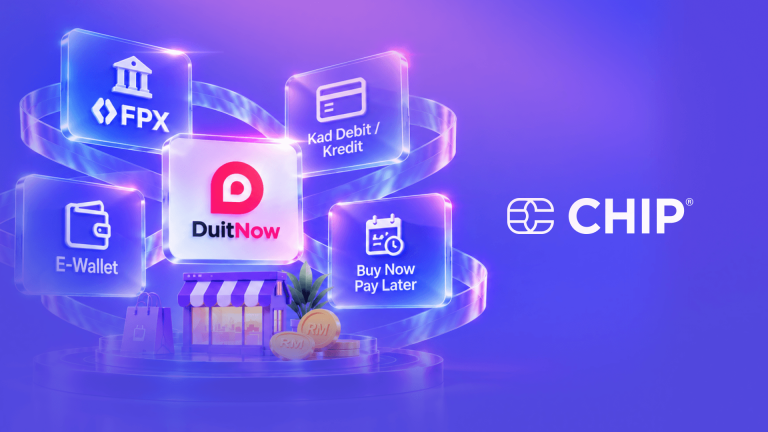
CHIP supports:
- FPX online banking
- Credit and debit cards
- E-wallets
- DuitNow QR
More payment clarity = fewer misunderstandings = fewer chargebacks.
4. Real-Time Tracking
Businesses can track payments instantly, making dispute resolution faster and easier.
5. Hosted Payment Experience (Payment Link)
With CHIP Payment Link, customers are redirected to a secure checkout page that reduces errors in payment processing.
Learn more: https://www.chip-in.asia/
Why Payment Experience Matters in Chargeback Prevention
Most chargebacks are not caused by fraud alone. They often happen due to:
- Confusing checkout experience
- Lack of payment confirmation
- Poor communication after purchase
- Slow refund processing
A well-designed payment flow helps prevent disputes before they happen.
This is why many businesses are shifting toward modern payment link systems like CHIP instead of complex traditional integrations.
Chargeback vs Refund: Key Difference
| Feature | Chargeback | Refund |
| Initiated by | Customer’s bank | Merchant |
| Control | Bank system | Business |
| Speed | Immediate reversal | Manual approval |
| Relationship | Can damage merchant rating | Maintains trust |
| Cost impact | High (fees + penalties) | Lower cost |
Frequently Asked Questions (FAQ)
1. What is chargeback in simple terms?
It is when a bank reverses a customer’s payment after a dispute.
2. Who pays for chargeback?
The merchant usually bears the cost, including fees and lost revenue.
3. Can chargebacks be prevented?
Not completely, but they can be reduced using secure payment systems and clear communication.
4. Is chargeback the same as refund?
No. Refunds are initiated by merchants, while chargebacks are forced by banks.
5. How does CHIP help with chargebacks?
CHIP reduces disputes by providing secure payments, clear transaction flows, and real-time tracking.
Conclusion: Chargeback Management in 2026
Chargeback is a critical issue for any online business using digital payments.
While it is designed to protect consumers, it can create financial and operational risks for merchants if not managed properly.
The best approach in 2026 is not only prevention but also using a modern payment infrastructure that reduces friction and improves transaction clarity.
This is where CHIP becomes valuable for businesses, offering:
- Secure payment processing
- Transparent transactions
- Multiple payment methods
- Simplified checkout via payment links
By improving the payment experience, businesses can naturally reduce chargeback risk and improve long-term revenue stability.