One customer asks to pay through an e-wallet. Another wants your bank account details. For Malaysian business owners, accepting both may seem straightforward, but each method involves a different process for receiving, checking and recording payments.
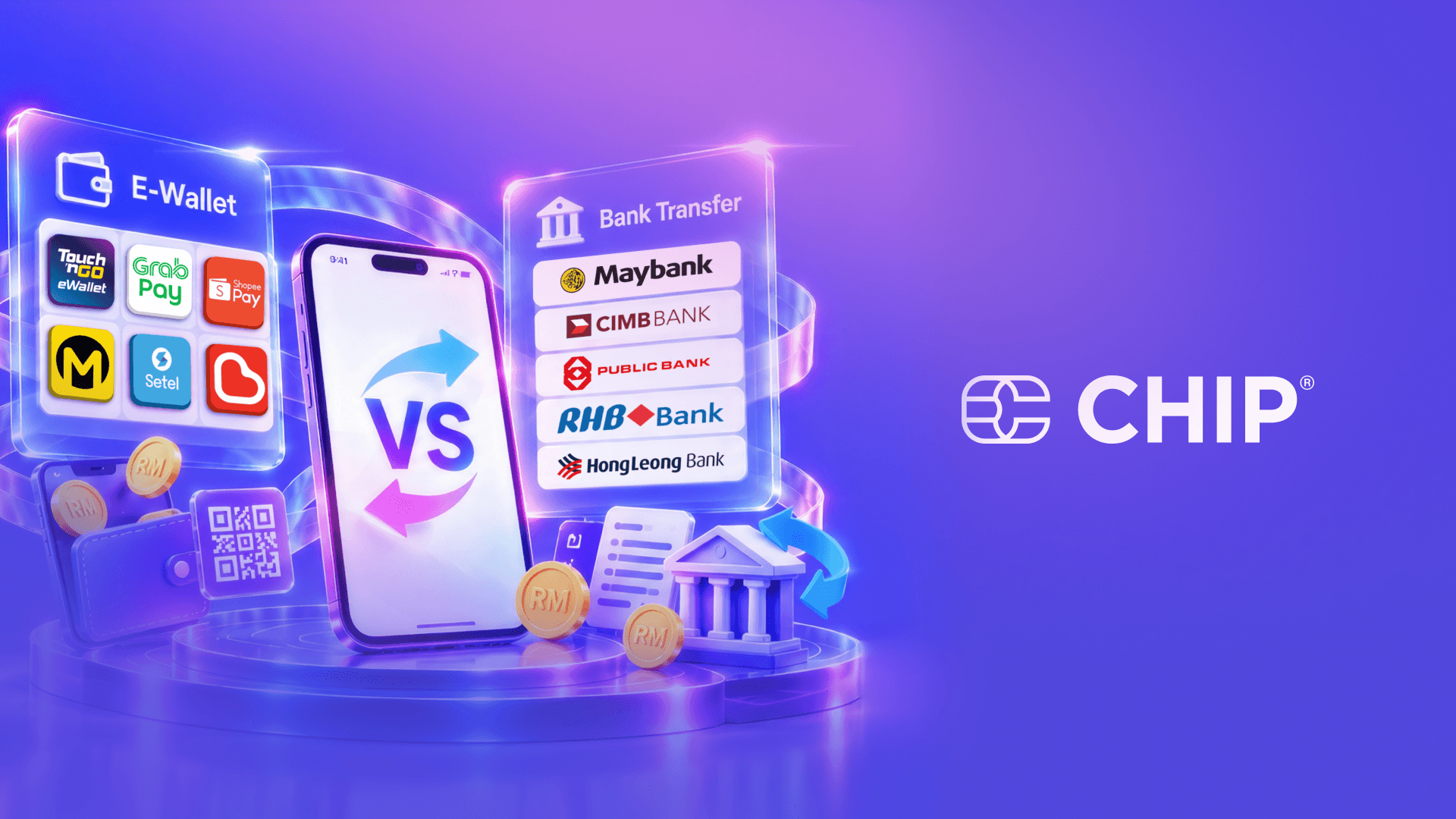
When comparing e-wallets and bank transfers in Malaysia, the right choice depends on more than customer convenience. Your sales channels, payment costs and ability to match transactions with orders also matter.
This guide explains how both methods work, compares their practical differences and helps you choose payment options that suit your customers and daily operations.
What Is an E-Wallet Payment?
An e-wallet payment lets customers pay through a mobile app using their wallet balance or other funding options supported by the service. Examples in Malaysia include Touch ’n Go eWallet, Boost and GrabPay.
At a physical store, customers may scan a supported QR code and confirm payment in their app. For online purchases, they may select an available e-wallet option at checkout.
For merchants, acceptance depends on the payment arrangement. A QR setup or online payment provider may support different services. Check which e-wallets customers can use, applicable charges and how successful payments appear in your records.
What Is a Bank Transfer?
A bank transfer allows customers to send money from their bank account to a merchant’s account through online or mobile banking.
For example, a customer ordering through WhatsApp receives the merchant’s bank details and transfers the amount due. The merchant then checks their bank records and matches the payment with the order.
Direct Bank Transfers vs FPX Payments
Direct bank transfer: Customers send money using account details or an available transfer identifier. Merchants may need to manually match incoming payments with orders.
FPX: Customers pay through an integrated online checkout using a supported bank account. The payment system provides a transaction status that merchants can check.
This article compares e-wallet payments with direct bank transfers. FPX is considered separately as an integrated online payment option
E-Wallet vs Bank Transfer Malaysia: Key Differences
Both methods support digital payments, but the customer experience and merchant workflow differ. Consider how customers pay, how you verify receipt, and how easily transactions connect with orders.
| Comparison point | E-wallet payment | Direct bank transfer |
| Payment process | Customers use an e-wallet app through a supported QR code or checkout option. | Customers transfer money using bank details or an available transfer identifier. |
| Customer convenience | Suits customers who already use the supported app. | Suits customers who prefer paying from their bank account. |
| Merchant costs | Depends on the provider and merchant arrangement. | Depends on the bank, account type, and transfer service. |
| Payment verification | Merchants check their payment app, portal, or transaction records. | Merchants check their bank records to confirm receipt. |
| Order matching | Depends on reference details and the payment setup. | May require manual matching using references and customer information. |
| Access to funds | Follows the provider’s settlement or withdrawal arrangement. | Depends on the transfer service and transaction status. |
| Sales channels | Supports physical or online payments where enabled. | Can support direct orders through WhatsApp, social media and other channels. |
Consider a merchant receiving ten WhatsApp orders in one afternoon. Several customers buy the same product and transfer identical amounts. Without clear references, identifying which payment belongs to each order can take time.
An e-wallet setup may provide useful transaction details, but it does not automatically solve order matching. Both methods need a consistent process for recording customer information and payment references.
Before fulfilling an order, verify payment through your own records. Also distinguish successful payment confirmation from funds being available in your business bank account.
Which Payment Method Suits Your Business?
The right choice depends on how your customers buy and how you manage payments.
1. For WhatsApp and Social Media Orders
With a direct transfer, customers receive your details, send the money and notify you. You then check the receipt and match it with the order.
E-wallet payments follow the options supported by your arrangement. Choose a process customers can follow easily, with enough reference information to identify each purchase.
For multiple daily orders, consider whether a payment link could provide a clearer flow. Customers open the link and select an available method, while you check the resulting transaction.
2. For Physical Stores and Pop-Up Booths
At the counter, customers need a straightforward way to pay, and staff need to confirm receipt quickly.
DuitNow QR can be accessed through participating bank apps and e-wallets. This means a customer paying through an e-wallet and another using a bank app may use the same merchant QR code.
Check supported services and train staff to verify incoming payments through your own system.
3. For Online Stores
Review checkout compatibility, reporting, and integration with your order records.
A direct transfer may require customers to leave checkout and merchants to verify payment manually. Integrated options, such as FPX or supported e-wallet checkout, can connect payment status with orders, depending on the setup.
What Should Merchants Check Before Choosing?
Before choosing between e-wallets and bank transfers, review how each option fits your customers and daily operations.
Customer Preferences
Find out which methods customers already use. Offering familiar options makes payment more convenient, whether they buy through WhatsApp, your website or a physical store.
Business Costs
Check transaction charges and any other applicable fees. Compare costs using your typical order value and monthly transaction volume to understand their impact on your business.
Payment Confirmation
Ensure staff know where to check successful payments. Verify transactions through your own bank or payment system records before fulfilling orders, rather than relying solely on customer screenshots.
Order Matching
Check whether transaction references help you connect payments with purchases. This becomes particularly useful when several customers pay the same amount on the same day.
Access to Funds
Understand when and how the money becomes available to your business. A successful payment notification does not always mean funds have reached your bank account.
Refunds
Review the steps, conditions and charges involved in returning a customer’s payment. A clear process helps your team handle cancellations and explain what customers can expect.
Support
Check who to contact when a payment fails or its status is unclear. Staff should know what details to provide, including the transaction reference, date and amount.
You can offer both methods when they suit your operations. Establish a consistent verification process for each so payment records remain manageable as sales grow.
Manage Digital Payments with CHIP
Choosing between e-wallets and bank transfers involves customer convenience, costs and your ability to manage transactions. Focus on a payment process that customers understand and your team can follow consistently.
CHIP Collect provides digital payment options for businesses. Review supported methods, current charges and available features to assess how they fit your sales channels.
Looking for a more organised way to accept digital payments? Explore CHIP Collect and find payment options that suit your business.