Choosing the right payment methods is an important decision for any Malaysian SME. While offering more payment options can make it easier for customers to pay, businesses do not necessarily need to enable every payment method from day one.
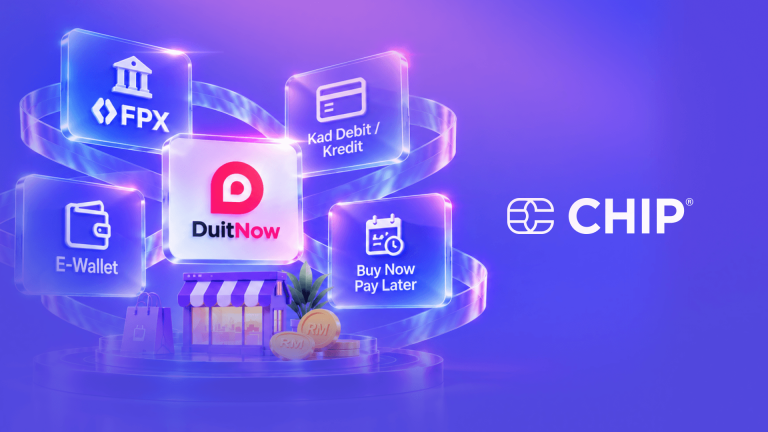
For most SMEs targeting Malaysian customers, FPX and DuitNow QR (DNQR) are practical payment methods to prioritise first, while card payments can be added based on customer demand and business needs.
So, between FPX vs Cards vs DNQR, which one should your business accept first?
The answer depends on how your customers prefer to pay, where your transactions happen and whether you serve local or international customers.
FPX vs Cards vs DNQR: What’s the Difference?
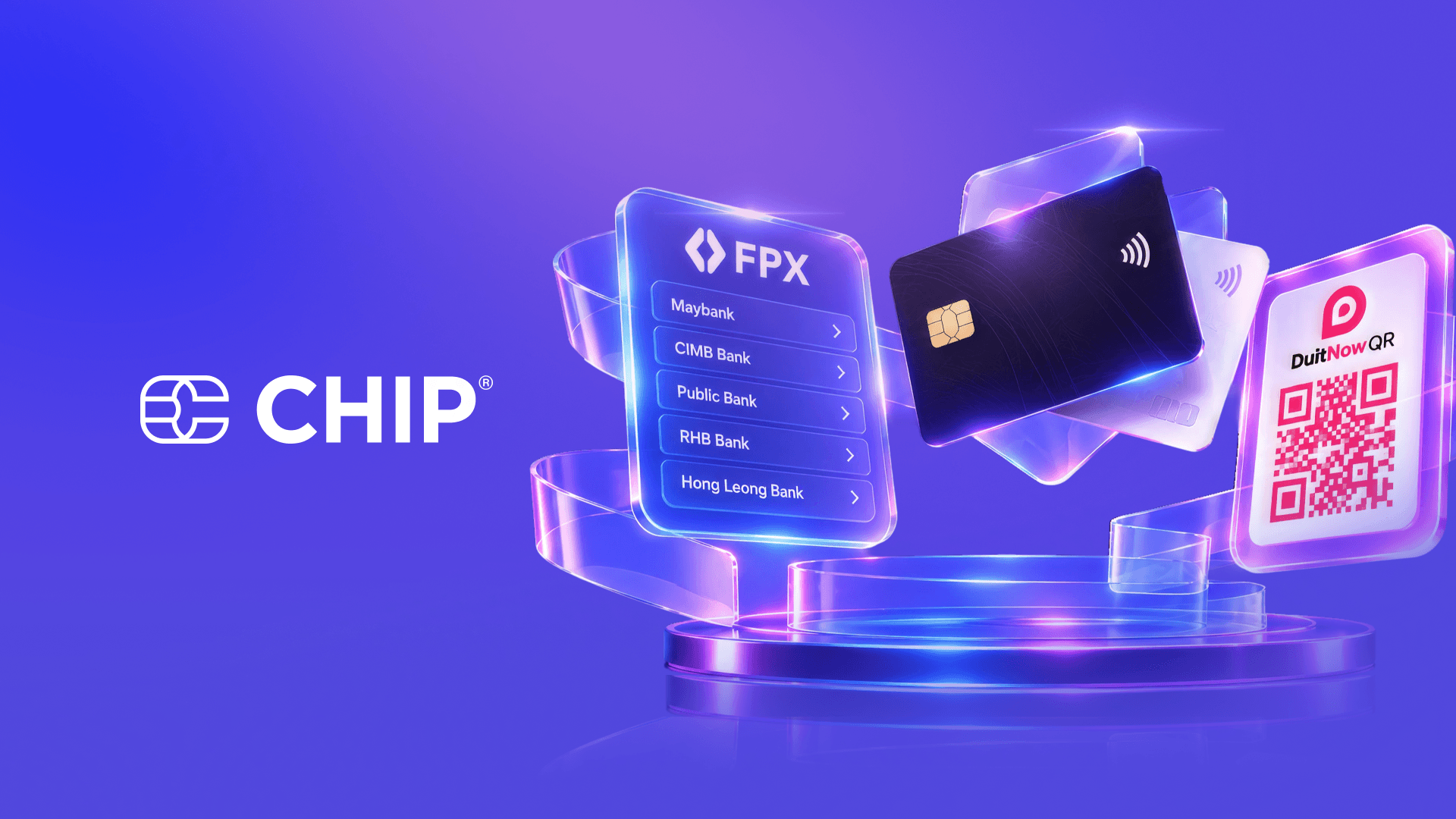
FPX, Cards and DuitNow QR serve different payment behaviours.
| Payment Method | Best For | Main Advantage | Priority |
| FPX | Malaysian online customers | Direct payment through online banking | ⭐⭐⭐ |
| DuitNow QR | Physical and omnichannel businesses | Quick QR-based payments | ⭐⭐⭐ |
| Cards | E-commerce and international customers | Convenient debit and credit card payments | ⭐⭐ |
For a new Malaysian SME, starting with FPX and DuitNow QR can provide a strong foundation before adding card payments.
What Is FPX?
FPX allows customers to make online payments directly from their internet banking account.
During checkout, customers select FPX, choose their preferred bank and complete the payment through their online banking platform.
For businesses that mainly serve Malaysian customers, FPX can be particularly useful because customers are already familiar with online banking.
FPX is suitable for:
- E-commerce stores
- Service businesses
- Online bookings
- Invoice payments
- Registration fees
- Product purchases
- Online deposits
For an online-first SME, FPX can be one of the most important payment methods to enable.
What Are Card Payments?
Card payments allow customers to pay using debit or credit cards.
They are commonly used for e-commerce transactions because customers can complete their purchases without needing to access online banking.
Card payments can also be particularly useful for businesses that serve international customers.
Card payments are suitable for:
- E-commerce
- Subscription businesses
- SaaS businesses
- Higher-value purchases
- International customers
- Businesses with customers who prefer cards
If your business is expanding beyond Malaysia, card acceptance can become increasingly important.
What Is DuitNow QR?
DuitNow QR (DNQR) allows customers to make payments by scanning a QR code using a supported banking or e-wallet application.
Instead of requiring customers to handle cash or enter payment details manually, they can simply scan the QR code and complete the transaction.
This makes DNQR especially useful for businesses that receive payments in person.
DuitNow QR is suitable for:
- Retail stores
- Restaurants
- Clinics
- Events and booths
- Physical outlets
- Pickup counters
- Invoice payments
- Omnichannel businesses
For businesses with both online and offline operations, DNQR can complement FPX effectively.
Why Should SMEs Prioritise FPX and DuitNow QR?
For a new SME, the goal should not be to activate every possible payment method immediately.
Instead, focus on the methods that match your customers’ payment behaviour.
1. FPX supports online banking payments
If your customers frequently use online banking, FPX gives them a familiar way to complete their purchase.
They do not need a debit or credit card to make an online payment.
This can make FPX a useful starting point for Malaysian online businesses.
2. DuitNow QR works well for physical payments
If your business has a physical location, DNQR provides a simple way for customers to pay in person.
It can also be useful at events, pop-up stores, booths and other situations where customers need to make quick payments.
3. Together, they cover different payment situations
Consider an SME that sells products through a website but also attends physical events.
Customers shopping online can use FPX, while customers purchasing at an event can pay using DuitNow QR.
This gives the business coverage across different customer journeys without requiring an overly complicated setup.
When Should SMEs Add Card Payments?
Cards should not necessarily be ignored.
Instead, consider adding card payments when they match your customer base and business model.
Cards can become more important when:
- Customers regularly request card payments
- Your e-commerce sales are growing
- You sell higher-value products or services
- You have international customers
- You offer subscription-based services
- Customers are more comfortable paying by card
For example, an online store selling to both Malaysian and international customers may benefit from offering FPX + DuitNow QR + Cards.
FPX vs Cards: Which Is Better for Online Businesses?
For an online business primarily targeting Malaysian customers, FPX can be a strong payment option because it supports direct online banking payments.
Cards, however, can provide additional flexibility for customers who prefer debit or credit cards.
The better question is not:
“Which payment method is the most popular?”
Instead, ask:
“Which payment method do my customers prefer to use?”
If your customers primarily use online banking, prioritise FPX.
If you have more international customers or customers who prefer cards, card payments should become a higher priority.
FPX vs DNQR: Which Should You Enable First?
Both can be useful, but they serve slightly different situations.
Choose FPX first if:
- Most sales happen through your website
- Customers pay online
- You send invoices or payment requests
- You sell services online
- Your target market is mainly Malaysian customers
Prioritise DNQR if:
- You operate a physical store
- You receive walk-in customers
- You sell at events or booths
- Customers frequently use QR payments
- You operate an online-to-offline business
For many SMEs, there is no need to choose only one.
FPX + DuitNow QR can work together to support both online and offline payments.
Which Payment Method Is Best for Different SMEs?
The ideal combination depends on your business model.
E-commerce Business
For an online store targeting Malaysian customers:
FPX → DuitNow QR → Cards
FPX provides an online banking option, while Cards offer an alternative payment method.
Physical Store
For retail stores, restaurants and other businesses with walk-in customers:
DuitNow QR → Cards → FPX
DNQR is particularly convenient for in-person transactions.
Service Business
For agencies, consultants, education providers and other service-based businesses:
FPX → DuitNow QR → Cards
FPX can be useful for invoices and online payments, while DNQR can support in-person transactions.
Business With International Customers
For businesses serving customers outside Malaysia:
Cards → FPX + DuitNow QR
Cards may become more important because international customers may not have access to Malaysian payment methods.
Does an SME Need to Accept Every Payment Method?
Not necessarily.
Offering more payment methods does not automatically mean customers will have a better experience.
Business owners should consider:
- Who are your main customers?
- Do they buy online or offline?
- Which payment methods do they already use?
- What is your average transaction value?
- Do you serve international customers?
- How easy is the payment process to manage?
The goal is to provide relevant payment options, rather than simply offering as many options as possible.
How Can a Payment Gateway Help SMEs?
Managing different payment methods separately can become complicated as a business grows.
You may need to monitor transactions, check payment statuses and manage reconciliation across different systems.
A payment gateway can help businesses bring multiple payment methods together through one payment solution.
With a payment solution such as CHIP, businesses can provide customers with different payment options while managing payments through a more centralised system.
Depending on your business needs, you can consider options such as:
- FPX
- Cards
- DuitNow QR
- Payment Links
- QR payments
- Other supported digital payment methods
This allows business owners to choose a combination that fits their customer behaviour and business model.
FPX vs Cards vs DNQR: Which Should Your SME Choose First?
There is no single payment method that works best for every business.
However, for Malaysian SMEs primarily serving local customers, a practical starting point is:
1. Start with FPX
Enable online banking payments for customers who purchase through your website, pay invoices or use online checkout.
2. Add DuitNow QR
This is particularly useful if your business has physical transactions, events, outlets or customers who prefer QR payments.
3. Add Cards when needed
Consider card payments as your customer base grows, especially if you start receiving more international customers or customers who prefer debit and credit cards.
This approach allows SMEs to build their payment infrastructure gradually instead of enabling every payment method from day one.
Choose Payment Methods Based on Customer Behaviour
When comparing FPX vs Cards vs DNQR, do not focus only on the features of each payment method.
Look at the entire customer journey.
Your customers should be able to recognise the payment options, understand how they work and complete their transactions without unnecessary friction.
For most Malaysian SMEs, FPX and DuitNow QR are practical payment methods to prioritise first, while Cards can be added to expand payment flexibility when the business needs it.
With a payment gateway such as CHIP, businesses can provide multiple payment options through one payment solution and choose the combination that best fits their customers.Ready to make it easier for your customers to pay? Explore CHIP’s payment solutions and find the right payment methods for your business.