For small businesses, every recurring cost matters.
When choosing a payment gateway, business owners may come across different pricing models. Some providers charge setup fees, monthly subscription fees or require businesses to commit to a contract. Others use a pay-as-you-go payment processing model, where businesses pay based on the transactions they process.
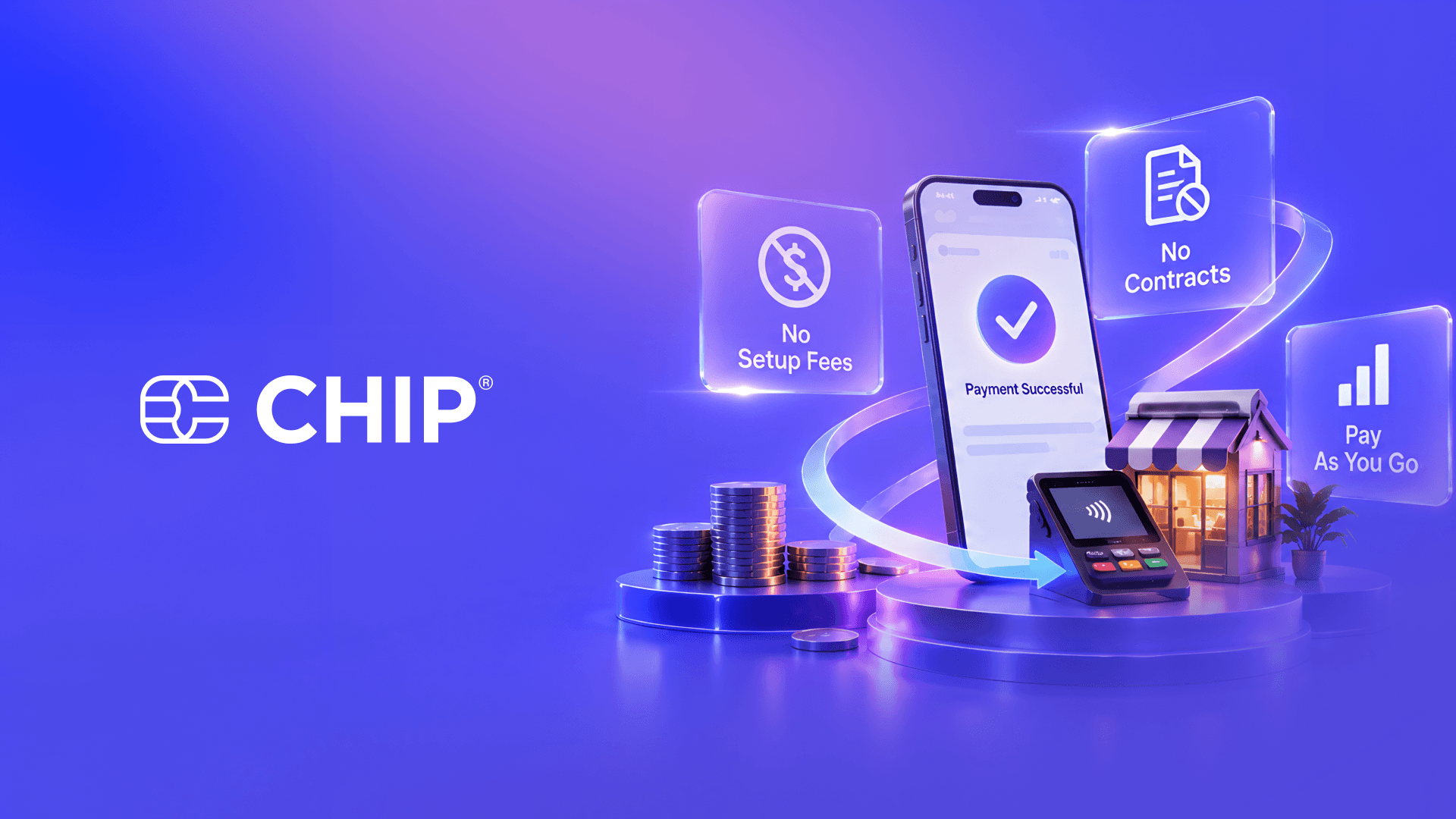
This is where “no setup fees, no contracts” can make a difference.
Instead of paying a fixed fee simply to have access to a payment platform, a pay-as-you-go model allows businesses to incur payment processing costs when they actually process transactions.
For SMEs, this can make payment costs easier to align with actual business activity and cash flow.
What Does “No Setup Fees, No Contracts” Mean?
The phrase sounds simple, but it is important to understand what it means in practice.
No Setup Fees
A setup fee is a one-time charge that some payment providers may require before a business can start using their payment gateway.
A provider offering no setup fees means the business does not have to pay an upfront charge simply to get started.
This can be useful for:
- New businesses
- Startups
- Small online stores
- Businesses testing a new sales channel
- SMEs with limited upfront capital
Instead of allocating part of the startup budget to payment infrastructure, the business can focus its available cash on other areas such as marketing, inventory, website development or operations.
No Contracts
A contract may require a business to commit to a payment provider for a specific period.
A no-contract model gives businesses greater flexibility because they are not tied to a long-term commitment simply to use the payment service.
This can be particularly relevant for SMEs whose transaction volume may change significantly throughout the year.
What Is Pay-As-You-Go Payment Processing?
Pay-as-you-go means that payment costs are generally linked to the transactions a business processes rather than being based primarily on a fixed subscription.
In simple terms:
More transactions → more processing fees
Fewer transactions → fewer processing fees
This is different from a subscription-based model where a business may have to pay a recurring monthly fee regardless of how many transactions it receives.
For a small business, this distinction can have a direct impact on cash flow.
Pay-As-You-Go vs Subscription-Based Payment Gateways
Consider a business that is still growing.
Under a subscription model, the business may have a recurring payment gateway fee every month even when transaction volume is low.
With pay-as-you-go processing, the cost is more closely connected to actual payment activity.
| Factor | Pay-As-You-Go | Subscription-Based |
| Setup fee | May be zero | Depends on provider |
| Monthly subscription | Usually not required | May apply |
| Long-term contract | Not required | May apply |
| Cost linked to transactions | Yes | May be combined with subscription |
| Suitable for variable sales | Often suitable | Depends on pricing |
| Upfront commitment | Lower | Potentially higher |
The right model ultimately depends on transaction volume, pricing and the needs of the business.
Why Does This Matter for SME Cash Flow?
Cash flow is not only about how much money a business makes.
It is also about when money comes in and when expenses need to be paid.
For a small business, recurring expenses can add up quickly.
A payment gateway subscription may seem small on its own, but when combined with:
- Website costs
- Software subscriptions
- Accounting software
- Marketing tools
- Inventory expenses
- Staff costs
- Rent
- Other operational expenses
the fixed monthly commitment can become significant.
A pay-as-you-go payment model can help reduce some of these fixed costs by making payment processing expenses more closely related to actual sales activity.
Example: A Small Online Business
Imagine a small online business that has inconsistent monthly sales.
Some months generate RM10,000 in sales, while other months generate only RM2,000.
Under a subscription-based payment gateway, the business may still need to pay its fixed monthly fee regardless of sales volume.
With a pay-as-you-go model, payment processing costs are tied more closely to the transactions taking place.
This can make it easier for the business owner to forecast expenses based on actual sales activity.
However, business owners should always look at the total payment processing cost, including transaction fees and any other applicable charges, rather than assuming that no subscription automatically means the lowest overall cost.
Does No Setup Fee Mean Payment Processing Is Free?
No.
This is an important distinction.
“No setup fees” does not mean there are no payment processing fees.
A payment provider still needs to process transactions, and businesses may be charged transaction or processing fees depending on the payment method and service used.
The difference is that there may be no separate upfront fee just to start using the platform.
Business owners should therefore look beyond phrases such as “no setup fee” and understand the complete pricing structure before choosing a payment gateway.
What Should Business Owners Look At Besides Setup Fees?
A payment gateway should not be evaluated based on one pricing feature alone.
Before signing up, consider:
1. Transaction Fees
Understand how much you pay when a customer completes a transaction.
Different payment methods may have different processing costs.
2. Monthly Fees
Check whether there is a recurring platform or subscription fee.
For businesses with inconsistent sales, fixed monthly fees may have a greater impact on cash flow.
3. Contract Terms
Look for minimum contract periods, termination requirements or other commitments.
A flexible payment solution can be useful when your business is still evolving.
4. Payment Methods
Consider whether the gateway supports the payment methods your customers actually use.
For Malaysian SMEs, this may include options such as:
- FPX
- Cards
- DuitNow QR
- Payment Links
- Other digital payment methods
5. Settlement
Understand how and when your funds are settled into your business account.
Cash flow depends not only on how customers pay but also on how quickly your business receives the funds.
Who Benefits Most From Pay-As-You-Go Payment Processing?
Pay-as-you-go can be particularly attractive to businesses that do not want high fixed costs.
Startups
New businesses may have limited capital and unpredictable sales during the early stages.
Avoiding upfront setup fees and long-term commitments can provide more flexibility.
Small Online Businesses
For smaller e-commerce businesses, transaction volume may fluctuate from month to month.
A payment model linked to actual transaction activity can be easier to manage.
Seasonal Businesses
Some businesses generate significantly more sales during certain periods.
For example, a business may experience higher demand during festive seasons but lower sales during other months.
A flexible payment model can help avoid unnecessary fixed commitments during slower periods.
Businesses Testing New Sales Channels
A business may want to test online sales before investing heavily in a new system.
A no-contract payment solution can make it easier to experiment without committing to a long-term arrangement.
When Might a Subscription-Based Model Make Sense?
Pay-as-you-go is not automatically the best choice for every business.
A subscription-based payment gateway may make sense for a business with:
- Consistently high transaction volumes
- Predictable monthly sales
- A pricing plan that becomes more economical at scale
- Additional features bundled into the subscription
- Specific enterprise-level requirements
The important thing is to compare the total cost against your actual transaction volume.
A business processing a very high volume of payments may have different priorities from a new business processing only a few transactions each month.
How No Setup Fees and No Contracts Support Business Flexibility
For SMEs, flexibility can be just as important as pricing.
A business may grow quickly, change its business model or introduce new products.
It may also experience slower periods.
With a no setup fees, no contracts approach, businesses can avoid some of the upfront and long-term commitments associated with traditional payment solutions.
This can make it easier to:
- Start accepting payments
- Test new sales channels
- Manage changing transaction volumes
- Control fixed operating costs
- Scale payment acceptance alongside the business
The goal is not simply to pay less.
It is to make payment infrastructure fit the way the business operates.
How CHIP Supports a Pay-As-You-Go Approach
For businesses looking for a flexible way to accept digital payments, CHIP provides payment solutions designed around actual business transactions.
With a no setup fees, no contracts approach, businesses can get started without committing to a traditional subscription-based payment gateway structure.
Businesses can use payment solutions such as:
- Online payment acceptance
- FPX
- Cards
- DuitNow QR
- Payment Links
- Other supported payment methods
This allows business owners to select the payment options that fit their customer behaviour and sales model.
Instead of paying simply for access to a payment platform, the focus can remain on processing actual customer transactions.
Is Pay-As-You-Go Right for Your Business?
Before choosing a payment gateway, ask yourself:
How predictable is my monthly transaction volume?
If your sales fluctuate significantly, a pay-as-you-go model may provide greater flexibility.
If your business has stable and high transaction volumes, compare the full costs of different pricing models to determine which option makes more financial sense.
You should also consider:
- Your average monthly transaction volume
- Average transaction value
- Payment methods required
- Customer location
- Settlement requirements
- Contract flexibility
- Additional platform features
- Overall processing costs
The cheapest-looking pricing model is not always the cheapest solution.
What matters is the total cost relative to your business activity.
No Setup Fees, No Contracts: A Flexible Approach for SMEs
For small businesses, payment processing should support growth rather than create unnecessary financial commitments.
No setup fees can reduce the upfront cost of getting started, while no contracts can provide greater flexibility as the business changes.
A pay-as-you-go payment processing model can also make payment costs more closely connected to actual transaction activity, which may be useful for businesses with fluctuating sales.
For Malaysian SMEs considering a payment gateway, the key is to look beyond the headline pricing and understand how the complete cost structure fits your cash flow and business model.
With CHIP, businesses can access payment solutions without setup fees or long-term contracts, giving business owners more flexibility to accept payments and scale as their business grows.
Ready to accept payments without unnecessary upfront commitments? Explore CHIP’s payment solutions and find a payment setup that works for your business.